Garden Studio Builders in East of England
4 specialists design and install garden studios across East of England. Typical builds run 10–20m² and £16,000–£38,000 fully fitted.
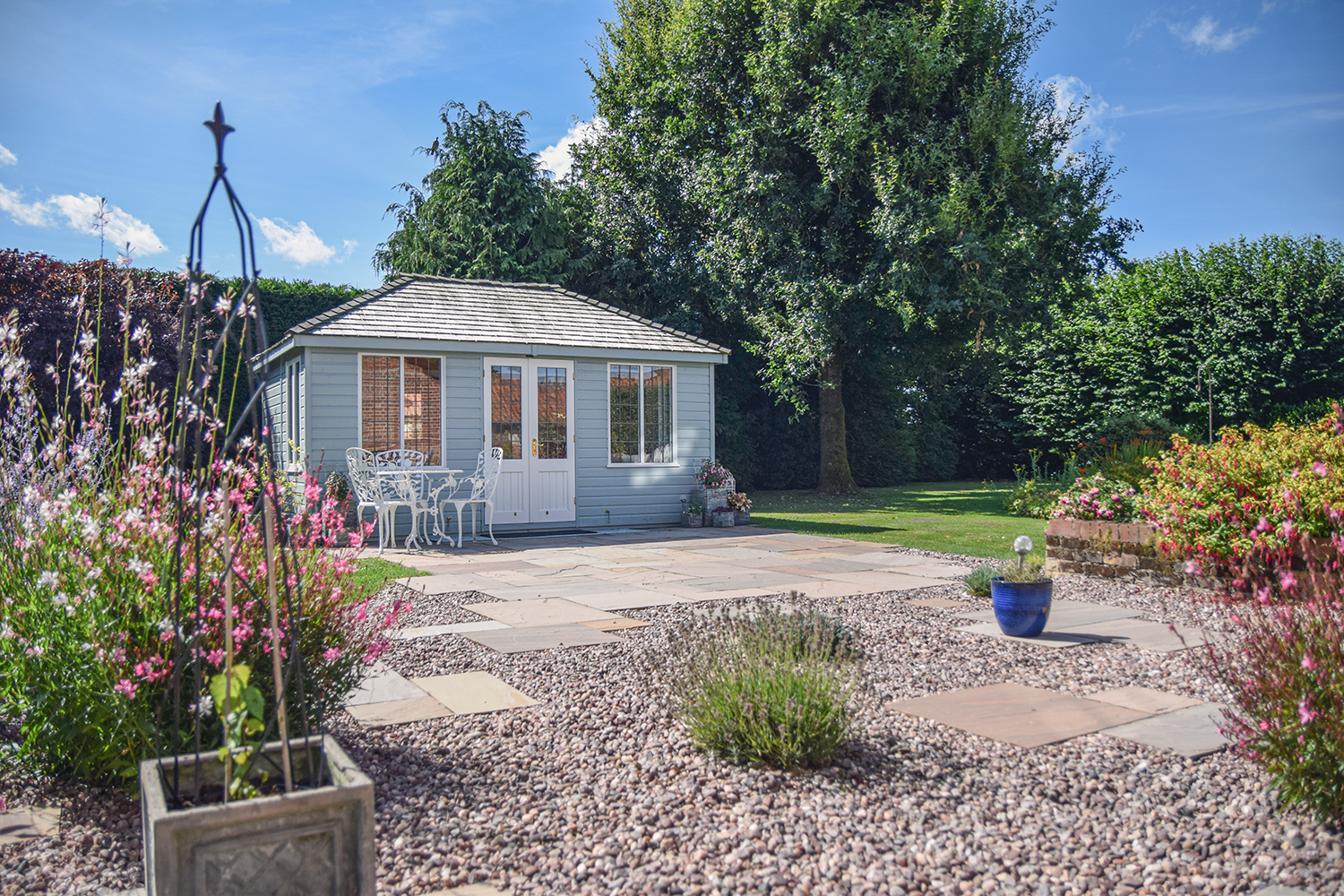
Crane Garden Buildings
Crafting high-quality timber garden buildings for over 50 years.
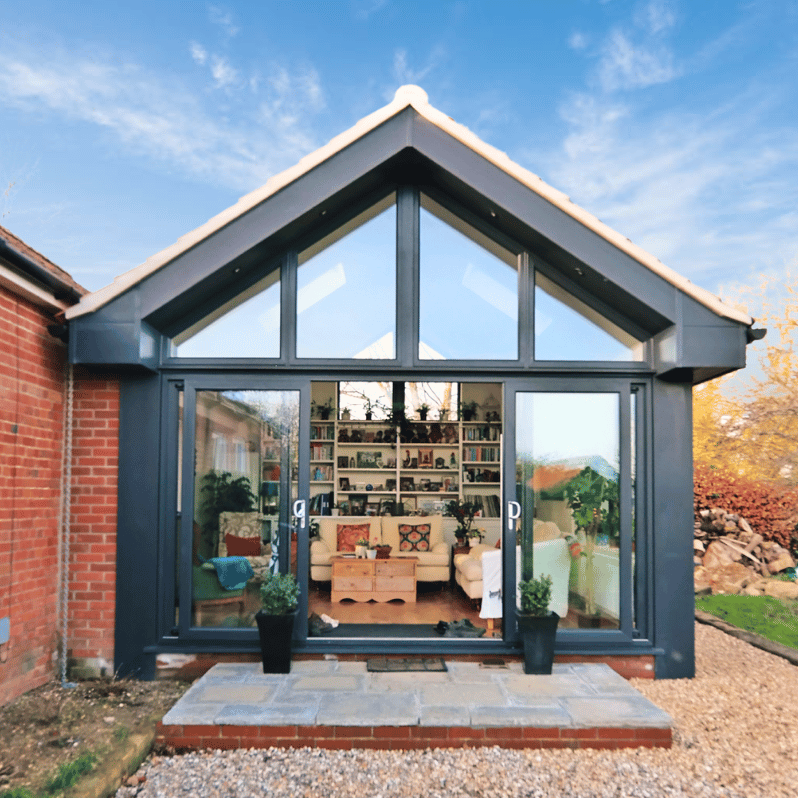
Garden Room Designs
Custom-designed garden rooms and renovation solutions in Norfolk and Suffolk.
Hawksbeck
Hawksbeck offers bespoke garden offices with exceptional design and quality.
SiRi Bespoke Garden Rooms
Custom-built garden rooms designed to elevate your outdoor space.
What it costs to build a garden studio in East of England
A typical fully insulated garden studio in East of England costs between £16,000 and £38,000 in 2026, fully installed and ready to use. Below £16,000 you're usually looking at uninsulated summer houses or kit builds with thin (under 70mm) insulation that won't perform year-round.
The price range is wide because four variables drive most of the cost: floor area (typically £1,500–£2,500 per m² installed), cladding choice (cedar and larch add £1,000–£3,500 over composite), glazing package, and groundworks. Sites in East of England with easy vehicle access and level ground sit at the lower end; sloped or restricted-access sites can add £2,000–£5,000.
Acoustic upgrades and a better glazing/lighting package typically add a 10–20% premium over a standard room of the same size.
Designing a garden studio: what to prioritise
A garden studio is built for creative work — art, music, photography, yoga or therapy. The priorities are calm, even natural light (north-facing glazing is prized by artists), acoustic isolation so sound doesn't leak in or out, and a distraction-free interior.
- Acoustic insulation and isolated floor build-up
- North or roof glazing for soft, even light
- High-CRI lighting for colour-accurate work
- Sink/utility provision for messy disciplines
What's typically included in a East of England garden studio quote
- Foundations (concrete pad or steel-screw piles)
- SIPs or insulated timber-frame structure
- Cladding, fascias and EPDM/fibreglass roof
- 100–150mm insulation in walls, floor and roof
- Double or triple glazing
- First-fix electrics: lighting, sockets, consumer unit
- Internal finish (typically painted plasterboard)
- Delivery and install
For a studio, the differentiators are acoustic treatment — double-stud walls, dense insulation and isolated floors — plus high-CRI lighting for colour-accurate work and, for messy disciplines, a small sink.
Planning permission for a garden studio in East of England
Most garden studios in East of England fall under permitted development and don't require planning permission, provided the build is single-storey, no taller than 2.5m at the eaves (or 4m to a pitched ridge if more than 2m from any boundary), and doesn't cover more than half your garden.
Norfolk, Suffolk, Cambridgeshire and Essex are generally permissive for outbuildings under 30m², with shorter planning queues than the South East.
Studios rarely raise planning issues, but if you'll be making music or amplified sound, factor neighbour noise into both the acoustic spec and your siting.
Local context: building in East of England
Drier and flatter than most of the UK — straightforward groundworks and lower weatherproofing risk make this one of the easier regions for installers.
Cambridge in particular sees high demand from academics and tech workers needing quiet, year-round office space.
How to choose a garden studio installer in East of England
When comparing quotes, look beyond headline prices. The four quality markers that matter most are: insulation depth (aim for 100mm minimum), structural warranty (10 years is standard, 25 is excellent), build approach (bespoke vs modular vs kit), and whether they handle planning and groundworks themselves or sub-contract them.
Ask to visit a previous garden studio build in East of England before signing — most reputable installers will arrange this. Check that the company has been trading for at least 3–5 years and look for consistent independent reviews on Trustpilot, Google and Houzz.
Always get at least three quotes, with itemised pricing for foundations, structure, glazing and electrics so you can compare apples-to-apples. Be wary of any quote significantly cheaper than the others — corners are usually being cut on insulation, glazing or warranty.
Garden Studio FAQs
Can a garden studio be soundproofed?
Yes — acoustic panels, double-stud walls, dense insulation and isolated floors can achieve studio-grade sound reduction. Expect a 10–20% premium over standard builds.